logo

products details

Created with Pixso. Home Created with Pixso. Products Created with Pixso.
Titanium Flange
Created with Pixso.

ASME B16.5 and Titanium Flanges Types Design and Advantages According to the Standard

ASME B16.5 and Titanium Flanges Types Design and Advantages According to the Standard

Brand Name: LHTi
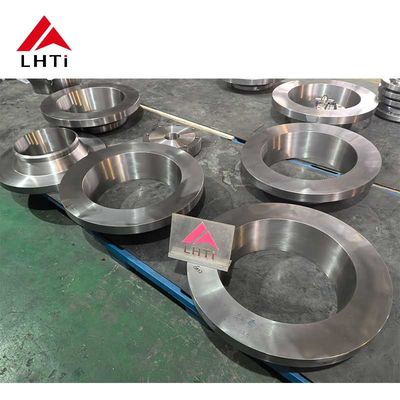
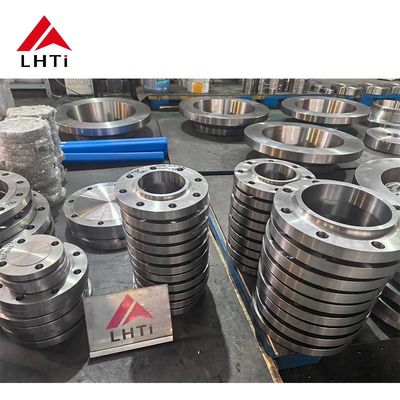
Model Number: Blind Flange
MOQ: 5-10 pieces
Price: negotiable
Payment Terms: L/C, D/A, D/P, T/T, Western Union
Supply Ability: 5000 Pieces Per Month
Detail Information
Place of Origin:
Baoji, Shaanxi, China
Certification:
ISO9001,CE,etc
Material Grade:
Titanium Grade 2, Grade 12
Grade Of Materials:
Grade 2 Grade 5 Grade 7
Standards:
ASME B16.5
Tolerance:
ISO 9001 CT8~10 Or GB 12362 Precision
Country Of Origin:
United States
Surface:
FF, RF, TG, RJ, Etc
Shape:
Circular
Corrosion Resistance:
High
Temperature Rating:
Up To 600°F
Materials:
Gr1 Gr2 Gr5 Gr7 Gr12 Gr23 Etc.
Application:
Chemical Processing, Oil And Gas, Marine, Aerospace
Press:
Class 600/ CL600
Connection Type:
Weld Neck
Face Types:
RF, FF, TG, RJ Etc.
Production Method:
Forged, Die Forged
Packaging Details:
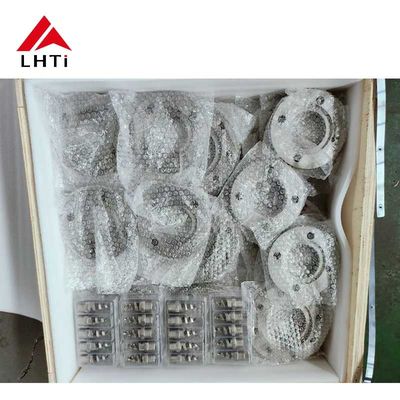
Plywood case or pallet, or as per your requirement
Supply Ability:
5000 Pieces Per Month
Product Description


ASME B16.5 Titanium Flange Types: Understanding Slip-On, Weld Neck, and Blind Flanges

Introduction

Flanges are crucial components in piping systems, providing a means of connection between various sections of piping, valves, and equipment. Among the materials available, titanium stands out due to its excellent strength-to-weight ratio, corrosion resistance, and durability, particularly in demanding environments such as marine and chemical processing. The American Society of Mechanical Engineers (ASME) B16.5 standard outlines the specifications for flanges, including their dimensions, tolerances, and materials. This article delves into the different types of titanium flanges compliant with ASME B16.5—specifically slip-on, weld neck, and blind flanges—highlighting their design, applications, and advantages.

Overview of ASME B16.5

The ASME B16.5 standard covers pipe flanges and fittings for various applications, providing guidelines for their design and manufacturing. This standard is essential for ensuring compatibility and safety in piping systems. It includes specifications for flange types, pressure ratings, sizes, and materials, making it an authoritative reference for engineers and manufacturers alike. By adhering to these standards, industries can ensure that their piping systems are reliable, efficient, and safe for operation under various conditions.

The Role of Titanium in Flange Manufacturing

Titanium flanges are increasingly favored in applications where strength, corrosion resistance, and lightweight properties are essential. The unique characteristics of titanium, such as its ability to withstand aggressive environments—like saltwater or acidic substances—make it a preferred choice in industries like aerospace, marine, and chemical processing. Furthermore, titanium’s low density compared to steel means that structures can be lighter without compromising on strength, resulting in enhanced operational efficiency and cost savings in transportation and installation.

Slip-On Flanges: Design and Applications

Slip-on flanges are one of the most commonly used flange types, characterized by their simple design. These flanges are designed to slide over the end of a pipe, allowing for easy alignment and connection. The primary advantage of slip-on flanges is their ease of installation; they can be positioned quickly and do not require extensive machining. Once positioned, they are welded both on the inside and outside to secure the connection, making them suitable for applications where moderate pressure is present.

In terms of applications, slip-on flanges are often utilized in non-critical piping systems where the pressure and temperature ratings are relatively low. They are commonly found in water treatment facilities, chemical processing plants, and even HVAC systems. The simplicity of slip-on flanges also makes them an economical choice, as they typically require less material and labor compared to more complex flange types.

One of the considerations when using slip-on flanges is their susceptibility to stress concentrations, which can occur at the weld joint. While this is generally manageable, engineers must ensure that the design accommodates any potential risks associated with pressure fluctuations. Proper welding techniques and inspection methods are essential to ensure the integrity of the joint and the overall safety of the piping system.

Weld Neck Flanges: Features and Benefits

Weld neck flanges, characterized by their long tapered neck, are designed to be welded to the end of a pipe. This design not only allows for a smooth transition between the pipe and the flange but also helps distribute stress over a larger area, enhancing the overall strength of the connection. The tapered neck design facilitates better alignment during installation and can accommodate high-pressure and high-temperature applications, making weld neck flanges a reliable choice in critical service environments.

One of the primary benefits of weld neck flanges is their ability to handle high pressure. The design minimizes the risk of leakage and provides a robust solution for demanding applications. Commonly used in oil and gas, power generation, and chemical processing industries, weld neck flanges are suitable for systems that require frequent inspections or maintenance due to their durable nature and ease of replacement.

However, the installation of weld neck flanges typically requires more precise machining and welding techniques than slip-on flanges. The alignment of the flange with the pipe must be exact to ensure optimal performance and minimize the risk of stress points. Additionally, the cost of weld neck flanges tends to be higher than that of slip-on flanges, but the trade-off is often justified in applications where reliability and safety are paramount.

Blind Flanges: Functionality and Use Cases

Blind flanges are designed to close the end of a piping system, effectively sealing off the pipe and preventing any flow of fluids or gases. These flanges do not have a central opening, which distinguishes them from other flange types. Blind flanges are crucial in situations where future access may be necessary; they allow for the maintenance and inspection of pipelines without requiring complete disassembly. This functionality makes them indispensable in various applications, particularly in systems where isolation is necessary.

In addition to sealing purposes, blind flanges can be used for pressure testing and as a means of providing a secure termination for piping systems. They are commonly employed in water treatment facilities, oil and gas pipelines, and chemical plants. Given their role in ensuring safety and integrity, blind flanges must be manufactured to high standards, often requiring rigorous testing and quality assurance to ensure that they can withstand the pressures and conditions of the system.

While blind flanges offer numerous advantages, they can be more challenging to install and remove than other flange types. Proper sealing techniques and the use of suitable gaskets are essential to prevent leaks. In high-pressure applications, the selection of blind flanges must be carefully considered to ensure they can withstand the expected loads without deforming or failing.

Comparing the Flange Types

When selecting the appropriate flange type for a specific application, it’s essential to consider the operational requirements, including pressure, temperature, and the nature of the fluids being transported. Slip-on flanges are ideal for lower-pressure applications where ease of installation is a priority. Conversely, weld neck flanges are preferred for high-pressure systems due to their superior strength and ability to handle stress. Blind flanges, on the other hand, are essential for closing off ends and providing future access for maintenance.

The choice of titanium as the material for these flanges further enhances their performance. Titanium’s resistance to corrosion ensures longevity, reducing the frequency of replacements and maintenance. This characteristic is particularly important in environments where other materials would fail, leading to costly downtimes and repairs. Ultimately, the selection of the right flange type must align with the specific needs of the application while considering both performance and economic factors.

Manufacturing and Quality Assurance

The manufacturing of titanium flanges, regardless of type, involves precision engineering to ensure that they meet the ASME B16.5 specifications. The processes typically include forging, machining, and surface finishing, each of which contributes to the flange’s performance characteristics. Given titanium's unique properties, specialized techniques and tools are often required to achieve the desired tolerances and surface finishes. Quality assurance is paramount throughout this process, ensuring that each flange adheres to industry standards and performs reliably in service.

Manufacturers often implement stringent testing protocols to assess the integrity of titanium flanges. Non-destructive testing methods, such as ultrasonic testing and radiographic inspections, are commonly employed to detect any potential flaws or inconsistencies. These practices not only ensure compliance with ASME standards but also enhance safety and reliability in the final product. Manufacturers must also keep abreast of advancements in technology and materials science to improve their processes and products continuously.

Additionally, the growing emphasis on sustainability and environmental responsibility is influencing manufacturing practices. Efforts to reduce waste, recycle materials, and employ energy-efficient processes are becoming increasingly important. As industries shift toward more sustainable practices, manufacturers of titanium flanges are adapting to meet these expectations, contributing to a more environmentally friendly future in engineering.

Advantages of ASME B16.5 Titanium Blind Flanges

ASME B16.5 titanium blind flanges provide key benefits tailored for industrial applications:

  • Sealing and Closure: They effectively close piping systems, preventing flow and ensuring secure sealing during maintenance or when sections are unused, reducing leak risks.

  • Corrosion Resistance: Their inherent resistance to acids, seawater, and harsh substances makes them ideal for corrosive environments, ensuring long-term reliability.

  • High Strength-to-Weight Ratio: Titanium's superior strength-to-weight ratio enhances performance while minimizing overall system weight, crucial in aerospace and marine applications.

  • Temperature Resistance: They maintain mechanical properties at high temperatures, making them suitable for chemical processing and power generation.

  • Biocompatibility: Non-toxic and biocompatible, they are ideal for pharmaceutical, food processing, and medical applications where purity is vital.

  • Durability: Offering excellent longevity and reduced degradation, titanium flanges lower replacement frequency and downtime, enhancing cost-effectiveness.

  • Versatility: Suitable for diverse applications, including chemical processing, oil and gas refining, and medical equipment.

  • Ease of Maintenance: Their corrosion resistance simplifies installation and maintenance, reducing operational disruptions and lifecycle costs.


Specifications for ASME B16.5 Class 150 Titanium Blind Flange


ASME B16.5 and Titanium Flanges Types Design and Advantages According to the Standard 0


Pipe

Flange Data

Raised Face


Drilling Data

Weight

NominalPipe Size


Outside Diameter

Overall Diameter

FlangeThickness min

Face Diameter

Number of Holes

Bolt Hole Diameter

Diameter of Circle of Holes

kg/piece


in

in

in

in


in

in


mm

mm

mm

mm


mm

mm


1/2


0.840 21.30

3.500 88.90

0.440 11.20

1.380 35.10

4

0.620 15.70

2.380 60.45

0.42

3/4


1.050 26.70

3.880 98.60

0.500 12.70

1.690 42.90

4

0.620 15.70

2.750 69.85

0.61

1


1.315 33.40

4.250 108.0

0.560 14.20

2.000 50.80

4

0.620 15.70

3.120 79.25

0.86

11/4


1.660 42.20

4.620 117.3

0.620 15.70

2.500 63.50

4

0.620 15.70

3.500 88.90

1.17

11/2


1.900 48.30

5.000 127.0

0.690 17.50

2.880 73.15

4

0.620 15.70

3.880 98.60

1.53

2


2.375 60.30

6.000 152.4

0.750 19.10

3.620 91.90

4

0.750 19.10

4.750 120.7

2.42

21/2


2.875 73.00

7.000 177.8

0.880 22.40

4.120 104.6

4

0.750 19.10

5.500 139.7

3.94

3


3.500 88.90

7.500 190.5

0.940 23.90

5.000 127.0

4

0.750 19.10

6.000 152.4

4.93

31/2


4.000 101.6

8.500 215.9

0.940 23.90

5.500 139.7

8

0.750 19.10

7.000 177.8

6.17

4


4.500 114.3

9.000 228.6

0.940 23.90

6.190 157.2

8

0.750 19.10

7.500 190.5

7.00

5


5.563 141.3

10.00 254.0

0.940 23.90

7.310 185.7

8

0.880 22.40

8.500 215.9

8.63

6


6.625 168.3

11.00 279.4

1.000 25.40

8.500 215.9

8

0.880 22.40

9.500 241.3

11.3

8


8.625 219.1

13.50 342.9

1.120 28.40

10.62 269.7

8

0.880 22.40

11.75 298.5

19.6

10


10.75 273.0

16.00 406.4

1.190 30.20

12.75 323.9

12

1.000 25.40

14.25 362.0

28.8

12


12.75 323.8

19.00 482.6

1.250 31.75

15.00 381.0

12

1.000 25.40

17.00 431.8

43.2

14


14.00 355.6

21.00 533.4

1.380 35.10

16.25 412.8

12

1.120 28.40

18.75 476.3

58.1

16


16.00 406.4

23.50 596.9

1.440 36.60

18.50 469.9

16

1.120 28.40

21.25 539.8

76.0

18


18.00 457.2

25.00 635.0

1.560 39.60

21.00 533.4

16

1.250 31.75

22.75 577.9

93.7

20


20.00 508.0

27.50 698.5

1.690 42.90

23.00 584.2

20

1.250 31.75

25.00 635.0

122

24


24.00 609.6

32.00 812.8

1.880 47.80

27.25 692.2

20

1.380 35.10

29.50 749.3

185


ASME B16.5 and Titanium Flanges Types Design and Advantages According to the Standard 1ASME B16.5 and Titanium Flanges Types Design and Advantages According to the Standard 2ASME B16.5 and Titanium Flanges Types Design and Advantages According to the Standard 3