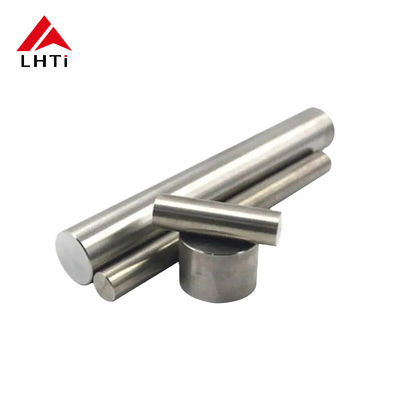
Titanium has long been recognized as one of the most reliable materials for medical applications, owing to its unique combination of strength, lightweight properties, and exceptional biocompatibility. Among the various grades of titanium, ASTM B265 Grade 2 (Gr2) and ASTM B265 Grade 5 (Gr5) are particularly noted for their use in medical devices due to their impressive mechanical properties and corrosion resistance.
Understanding ASTM B265 Standards
ASTM B265 is a standard specification by ASTM International that covers titanium and titanium alloy plates, sheets, and bars for use in various applications. For medical purposes, titanium is often used in the form of bars and round bars, as these are fabricated into components such as implants, prosthetics, and surgical instruments.
Grade Specifications
Grade 2 Titanium (Gr2): This commercially pure titanium is widely used in medical applications due to its excellent corrosion resistance and moderate strength. Its composition includes small amounts of iron and oxygen, providing good ductility and formability.
Grade 5 Titanium (Gr5): Also known as Ti-6Al-4V (Titanium alloy with 6% aluminum and 4% vanadium), Grade 5 titanium is one of the most widely used titanium alloys due to its high strength, excellent corrosion resistance, and good weldability. It is ideal for more load-bearing medical components due to its superior mechanical properties.
Key Properties for Medical Applications
Corrosion Resistance: Both Grade 2 and Grade 5 titanium possess outstanding resistance to corrosion, making them highly durable and suitable for long-term implantation in the human body. Grade 2 titanium offers even higher corrosion resistance in specific environments.
Biocompatibility: Titanium is known for its excellent biocompatibility, meaning it does not cause adverse reactions when in contact with body tissues. The natural oxide layer prevents the material from reacting with bodily fluids.
Strength-to-Weight Ratio: Medical devices must provide structural strength while maintaining a lightweight profile. Grade 5 titanium is well-known for its high strength-to-weight ratio, while Grade 2 offers adequate strength for non-load-bearing applications.
Non-toxicity and Safety: Both grades are highly safe for implantation due to their inert properties and do not leach harmful substances into surrounding tissues.
Medical Applications
Orthopedic Implants: Machined into joint replacements, bone screws, plates, and rods for longevity and safety
Dental Implants: Used to manufacture implant posts due to compatibility with bone tissue and ability to withstand chewing forces
Surgical Instruments: Creates precision tools like forceps, scissors, and clamps requiring strength and accuracy
Prosthetic Components: Incorporated into prosthetic limbs for optimal strength-to-weight ratio and patient comfort
Manufacturing Benefits
Precise Manufacturing: Round bars are easily machined into various shapes and sizes for custom components
Customization: Excellent formability allows manufacturers to meet specific strength and flexibility requirements
Longevity: Resistance to corrosion and wear ensures implants and devices last for many years without replacement